

Share This Post


How to Learn Italian: Tips and Resources for Learning Italian Quickly
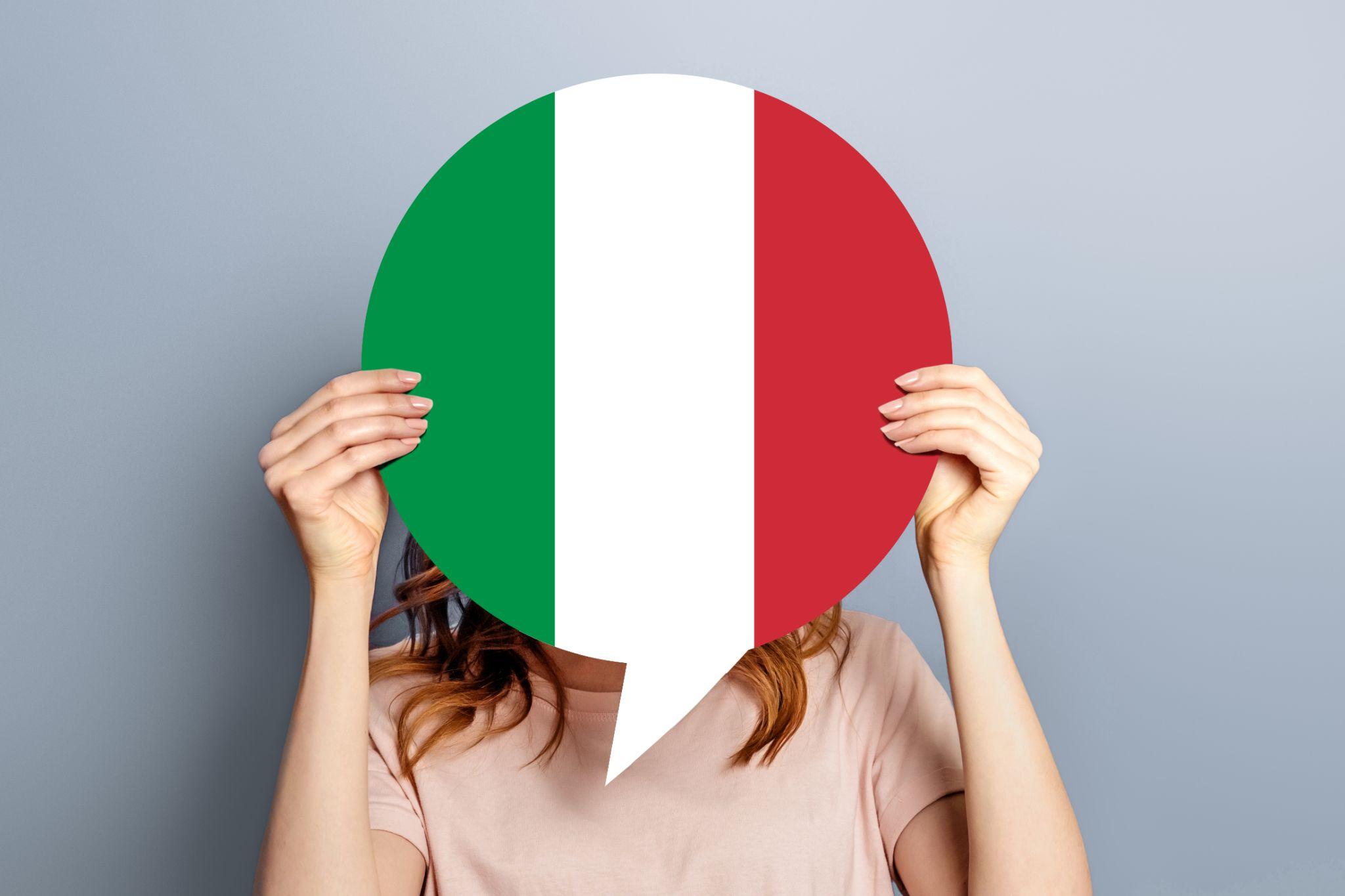
Learning Italian opens the door to a rich cultural history, global career opportunities, and deeper personal connections. Whether your goal is travel, heritage, education, or citizenship, understanding how to learn the Italian language quickly can help you build confidence and start communicating sooner.
This guide breaks down the best way to learn Italian, practical tools, and realistic expectations for beginners.
Why Learn Italian?
While many Italians speak English, especially in tourist areas, learning the language allows you to experience Italy on a deeper level. Learning Italian enhances cultural understanding and creates meaningful connections that go far beyond surface-level travel.
By learning to speak Italian, you can:
- Engage with culture more deeply by understanding Italian music, opera, and film in their original language.
- Navigate daily life with confidence, from ordering food to shopping and asking for directions.
- Explore art and history more fully, gaining richer insight into iconic figures like Michelangelo and Leonardo da Vinci.
- Visit historic and religious landmarks without relying on translations or guides.
- Read classic works of literature, philosophy, and art history as they were originally written.
- Build personal relationships with Italian speakers and family members raised in Italy.
- Expand career opportunities, including teaching English or working in multilingual roles.
- Prepare for residency or citizenship, where Italian language skills may be required.
Is Italian Easy to Learn?
For English speakers, Italian is considered one of the more approachable European languages. Many English words share Latin roots with Italian, making vocabulary recognition easier than expected.
Italian pronunciation is largely phonetic, meaning words are pronounced as they are written. This consistency makes Italian language learning less intimidating for beginners. While grammar concepts like gender agreement and verb conjugation take practice, learners often find steady progress—especially with regular conversation and listening practice.
Practical Steps for Learning Italian Quickly
If your goal is learning Italian quickly, consistency and immersion matter more than perfection. Below are proven strategies to help you learn how to speak the Italian language with confidence.
1. Choose the Right Learning Method
There is no single best approach for everyone. Some learners prefer apps and online courses, while others benefit from tutors or group classes. The best way to learn Italian is the method that fits your schedule and keeps you motivated.
Options include:
- Online platforms and mobile apps
- Private or group tutoring
- Self-study with books and audio
- Immersive learning while traveling or living abroad
2. Learn the Most Common Phrases First
Languages rely heavily on a small core vocabulary. Focusing on commonly used phrases helps you start speaking faster. Podcasts, beginner videos, and simplified Italian news programs are excellent tools for hearing real-world usage and improving comprehension.
3. Practice With Other Learners or Native Speakers
Conversation is essential for retention. Language exchange groups, online communities, and structured courses provide opportunities to practice speaking regularly. The more often you speak Italian, the more natural it becomes.

4. Use Children’s Books and Media
Children’s books, movies, and shows introduce clear language and practical vocabulary. Reading aloud improves pronunciation and listening skills at the same time. As confidence grows, gradually move on to more advanced materials that match your interests.
5. Embrace Mistakes and Keep Going
Making mistakes is part of Italian language learning. Native speakers are often appreciative when non-native learners make the effort. Staying open to correction and maintaining a sense of humor helps build confidence and momentum.
6. Learn Natural Speech From Native Speakers
Books and courses teach structure, but real conversations teach nuance. Filler words, expressions, and tone—such as commonly used conversational phrases—are best learned by listening to native speakers and practicing in real-life situations.
7. Visit or Live in Italy When Possible
Immersion accelerates learning dramatically. Daily interactions such as shopping, using public transportation, and casual conversations create constant opportunities to think and respond in Italian. For many learners, this is the fastest way to reinforce language skills.
How Italian Language Skills Relate to Citizenship
For some individuals, learning Italian is more than a personal goal—it is a legal requirement. Italian citizenship laws changed in 2018, introducing language requirements for certain applicants.
Those applying for citizenship by marriage must demonstrate an intermediate (B1) level of Italian proficiency. This level indicates the ability to handle everyday conversations and understand common spoken language. Applicants without Italian ancestry may also need similar certification.
However, individuals applying through ancestry (citizenship by descent) are generally not required to demonstrate Italian language proficiency prior to applying.
Taking the First Step Toward Italian Citizenship
Whether your goal is to travel with confidence, reconnect with your heritage, or prepare for life in Italy, learning Italian can be a powerful step forward. With consistent practice and the right resources, learning to speak Italian becomes both achievable and deeply rewarding.
For many Italian Americans, Italian language learning is part of a larger journey toward dual citizenship. Our team specializes in helping individuals understand their eligibility for Italian citizenship, navigate complex documentation requirements, and determine whether language proficiency is required for their specific path.
If you are exploring Italian dual citizenship, expert guidance can simplify the process and help you move forward with clarity and confidence.