

The Italian Passport: Benefits, Eligibility, and Steps to Apply


Share This Post


The Italian Passport: Benefits, Eligibility, and Steps to Apply
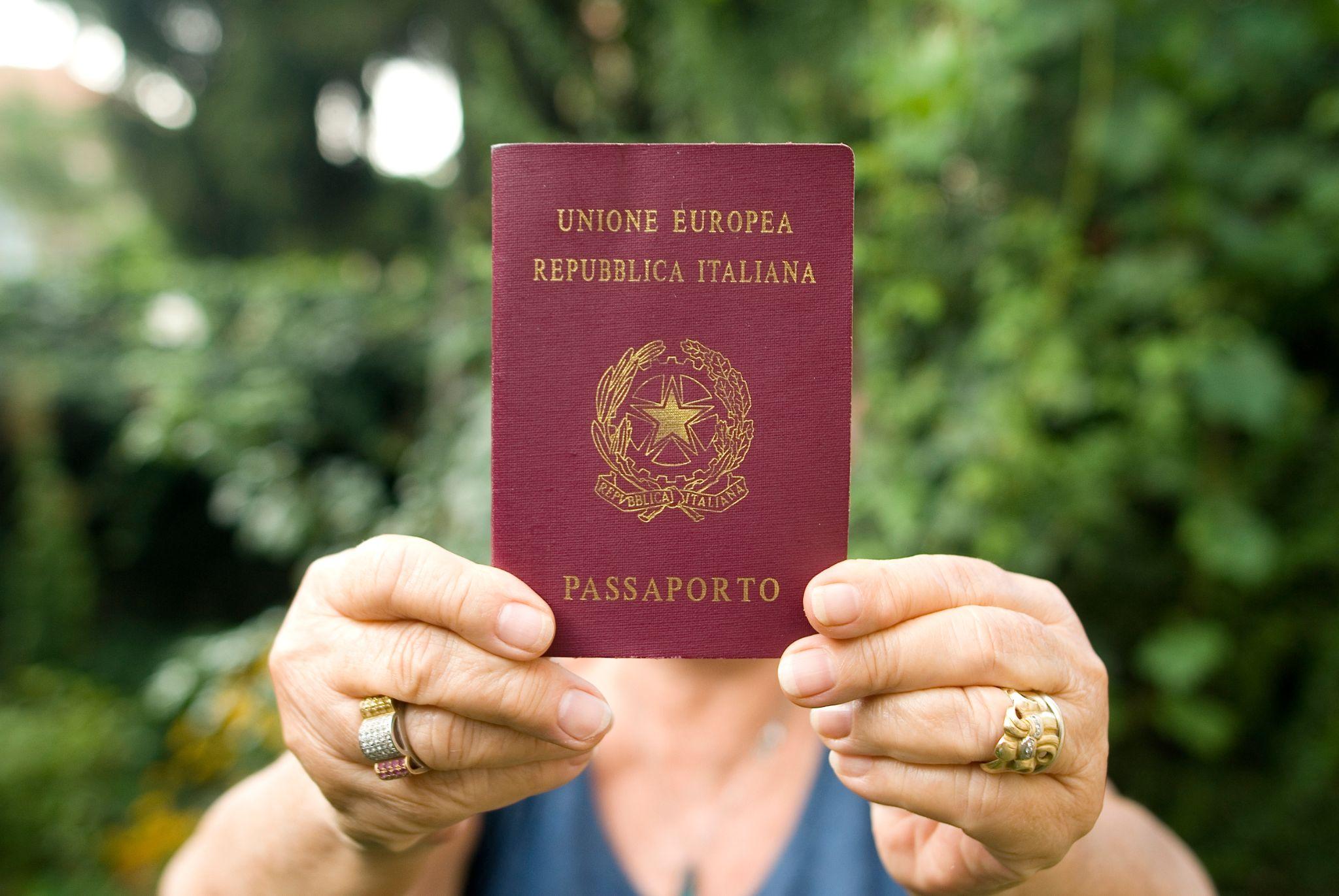
Among the many advantages of Italian dual citizenship, few are as appealing as the passport itself. Before we explain how to get an Italian passport, it helps to understand why it’s so highly regarded and what doors it can open for you.
The Italian passport doesn’t just offer easier travel—it connects you to life throughout the European Union, with opportunities to live and work freely throughout 27 EU member states. For anyone of Italian descent or with an Italian spouse, acquiring this passport can change what international access looks like.
Italy’s citizenship procedures changed in 2025 under Law 74/2025, which introduced new limits on eligibility and documentation for recognition. The overview below reflects the current rules and explains how the passport process works under today’s law.
Why the Italian Passport Is So Powerful
Italian citizens enjoy one of the strongest travel privileges anywhere in the world. On respected indexes, Italy’s passport is ranked number 1, reflecting extensive visa-free access and practical ease of movement. That status means you can cross borders and pursue new opportunities abroad.
Holding an Italian passport means you’re also a citizen of the European Union. That dual status expands your rights beyond Italy’s borders, allowing residence or employment in other EU and EEA countries under streamlined conditions. You can enroll at European universities, start a company in another EU nation, or retire in a Mediterranean town without applying for separate long-stay visas.
The combination of global travel freedom and EU rights is what gives Italy’s passport its real power—practical flexibility and a high level of international respect.
Benefits of an Italian Passport
Once you hold Italian citizenship, your passport unlocks countless everyday advantages:
- Visa-Free or Visa-on-Arrival Access
Italian passport holders can enter a vast range of countries with little or no paperwork, saving both time and cost on international travel. Frequent travelers, entrepreneurs, and students benefit from this convenient access when planning trips or attending programs abroad. - Freedom of Movement Within the EU
As an EU citizen, you can live, work, and study in any member state without special permits. Professionals often use this mobility to explore new job markets, while retirees take advantage of residency options in destinations such as Portugal or France. - Access to Education and Healthcare
Many EU universities offer lower tuition rates for EU citizens, and long-term residents enjoy inclusion in public healthcare systems. These benefits make relocating within Europe more affordable. - Family and Future Benefits
Once you’re recognized as an Italian citizen, you can transmit citizenship to your minor children through a formal declaration, generally within one year of the child’s birth. Adult children can apply for recognition through the same ancestral line (if they meet current eligibility requirements under Law 74/2025). This allows your family to maintain connection to Italian citizenship and European Union benefits. - Strong Consular Protection
When you travel outside Europe, you can receive help not only from Italian embassies but also from other EU member states where Italy has no presence—a safeguard recognized under EU law.
Eligibility for Italian Citizenship
Before you think about obtaining an Italian passport, the first step is confirming your eligibility for citizenship itself. There are three main routes:
- Citizenship by Descent (Jure Sanguinis)
Many applicants qualify through an Italian-born parent or grandparent. Italian law recognizes citizenship by bloodline, so if your ancestor remained an Italian citizen when their child was born, you may inherit that status. Current rules—reaffirmed under recent reforms—require that at least one ancestor was exclusively Italian at the time of the next generation’s birth.
Applicants who filed before the 2025 legal changes can continue under earlier provisions, while new petitions must satisfy the updated generational and residence criteria. Recognition may also be available if a parent resided in Italy for two continuous years before the applicant’s birth.
- Citizenship by Marriage
Spouses of Italian citizens can apply after two years of marriage while resident in Italy or after three years of living overseas. The law requires a B1-level Italian language certificate from an approved institution before submission (except for those with certified medical or age-related learning disabilities). - Citizenship by Residency
Non-EU residents may seek naturalization after a specific number of years living legally in Italy—generally ten for most applicants, four for EU citizens, and two years for applicants whose parent or grandparent is an Italian citizen by birth.
Italy passport requirements depend on which of these categories applies to you. Each has its own documentation and procedural steps. Confirming details early is vital, and reliable guidance from

Steps to Apply for Italian Citizenship and Passport
- Confirm Eligibility
Review your family records or legal status to ensure you qualify under current Italian law. This determines your route—descent, marriage, or residency. - Gather Documents
Collect birth, marriage, and naturalization certificates for every ancestor in your line, along with certified translations and apostilles. Accuracy here avoids long delays. - File Your Application
Applications by descent are generally submitted to the Italian consulate with jurisdiction over your residence, while residency cases go through the local comune. Judicial petitions are possible in specific circumstances, such as pre-1948 maternal lines. - Wait for Recognition and Register With AIRE
Once approved, your citizenship is recognized, and you’ll register in the Registry of Italians Abroad (AIRE) if you live outside Italy. - Apply for Your Passport
After recognition, obtaining an Italian passport is straightforward. Schedule an appointment with your consulate or, if residing in Italy, your local questura (police headquarters). You’ll need proof of citizenship, identification, and passport photos.
Most recognized citizens can expect to obtain an Italian passport within weeks of completing these final steps, but timelines vary.
Let ITAMCAP Help You Get an Italian Passport
An Italian passport is an entryway to one of the most respected citizenships in the world. It offers unmatched travel freedom and the chance to share those benefits with your family.
For many people with Italian heritage, getting an Italian passport is the natural next step toward reconnecting with their roots and expanding their global opportunities. If you’re ready to explore eligibility or need help managing the paperwork, expert Italian passport assistance from the ITAMCAP team can make the path clear from your first eligibility check to the moment you hold Italy’s celebrated passport in hand. Contact us today for a free consultation.