5 Italian Holiday Traditions to Celebrate at Home


Share This Post


5 Italian Holiday Traditions to Celebrate at Home
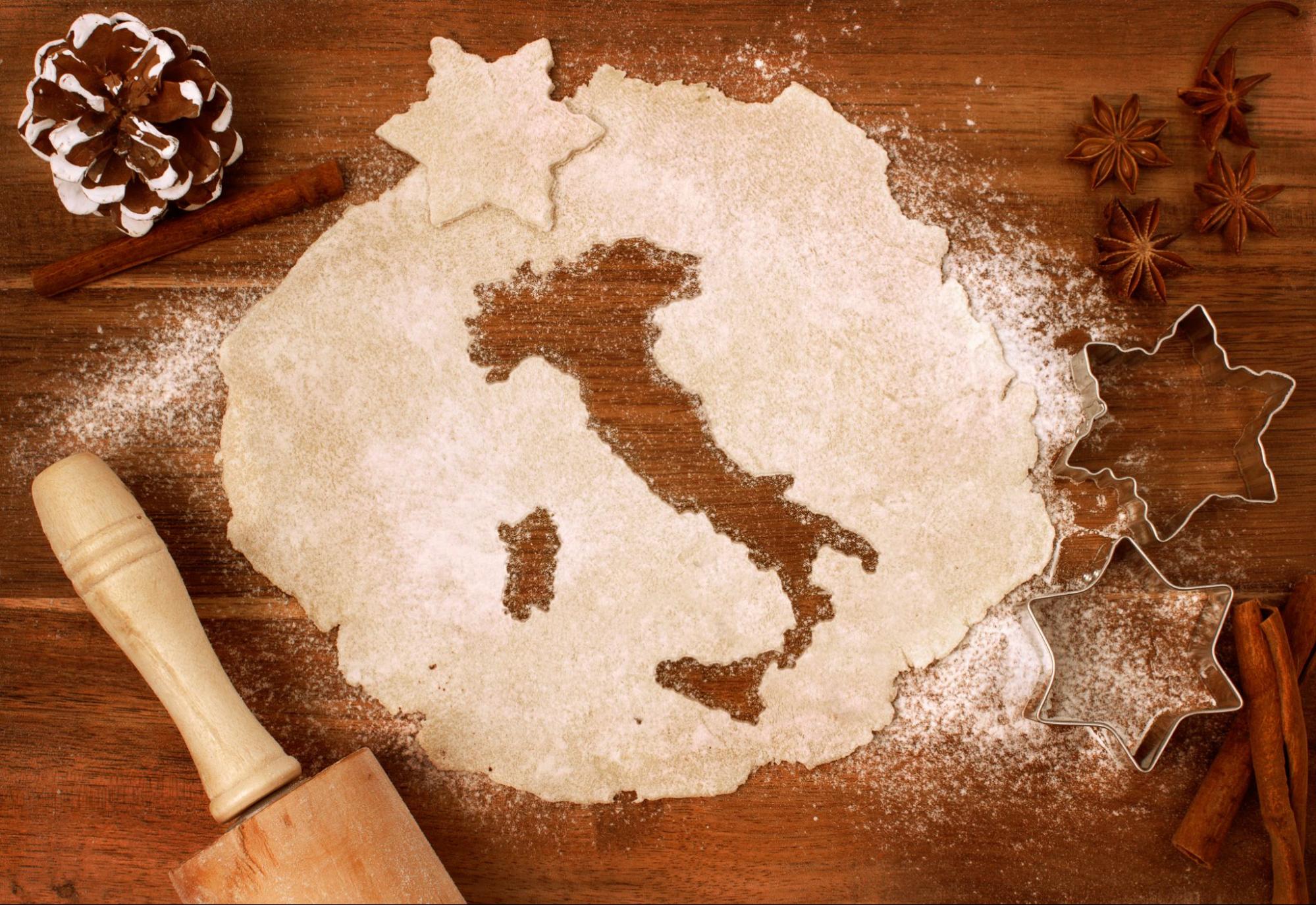
The smell of Christmas baking, a familiar decoration, or a recipe written in a grandparent’s handwriting can bring years of family memories back to life. Italian holiday traditions offer plenty of ways to create those connections, from setting out a nativity scene to sharing a special meal.
Christmas in Italy brings together religious observances, regional customs, and family celebrations. December 8 is a traditional starting point for decorating, while Epiphany on January 6 marks the season’s customary close. Between those dates, families celebrate in ways shaped by their hometowns, beliefs, and personal histories.
Five traditions you can bring home include decorating on December 8, welcoming Babbo Natale, gathering for Christmas meals, serving symbolic New Year’s foods, and filling stockings for La Befana. You can start with one custom and make it part of your family’s annual celebrations.
Italian Holiday Dates at a Glance
These Italian holidays and celebrations help explain how the winter season unfolds. Some are national public holidays, while others are customary celebrations or regional observances.
| Date | Holiday or celebration | Associated traditions | National public holiday |
| December 8 | Immacolata Concezione | Decorating trees and displaying nativity scenes | Yes |
| December 13 | Santa Lucia Day | Religious celebrations and gift-giving in some communities | No |
| December 24 | La Vigilia di Natale | Christmas Eve meals and church services | No |
| December 25 | Natale | Family lunch and exchanging gifts | Yes |
| December 26 | Santo Stefano | Visiting relatives and continuing celebrations | Yes |
| December 31 | La Notte di San Silvestro | Festive dinners and midnight celebrations | No |
| January 1 | Capodanno | Welcoming the new year | Yes |
| Night of January 5–6 | La Befana’s visit | Filling children’s stockings | Not a separate public holiday |
| January 6 | Epifania | Epiphany celebrations | Yes |
1. Decorate for Christmas on December 8
What Is the Feast of the Immaculate Conception?
The Feast of the Immaculate Conception falls on December 8. It honors the Catholic belief that Mary was conceived without original sin. The feast concerns Mary’s conception, rather than the conception or birth of Jesus.
Known in Italy as the Immacolata Concezione, this national public holiday is also a traditional occasion for putting up Christmas decorations. Some families decorate earlier or later, but December 8 remains a familiar seasonal milestone.
Christmas Trees and Presepi
Alongside the Christmas tree, many homes display a presepe, or nativity scene. These displays depict Jesus’ birth and may include shepherds, animals, buildings, and scenes of village life.
Naples is particularly associated with elaborate nativity craftsmanship. Its figures and miniature settings show how a religious display can also reflect local creativity and everyday life.
How to practice these traditions at home: Choose a decorating day and invite family members to contribute something meaningful. Set out an inherited ornament, create a small nativity display, or ask an older relative about the decorations they remember from childhood.
2. Welcome Babbo Natale
Who Is Babbo Natale?
Babbo Natale is the Italian name for Santa Claus. In many households, children look forward to gifts associated with his Christmas visit.
Gift-giving customs vary, however. Some families open presents on Christmas Eve, while others wait until Christmas morning. Different communities also have their own gift-bringing figures.
Santa Lucia Day, celebrated on December 13, is one example. In some northern Italian communities, children anticipate gifts from Saint Lucy during the night of December 12–13. Syracuse, Sicily, honors Santa Lucia as its patron saint through religious celebrations.
These differences reflect the regional character of Italian culture. A tradition familiar to one family may be entirely different from a custom practiced elsewhere.
Babbo Natale and La Befana
Babbo Natale is associated with Christmas, while La Befana brings treats during the night before Epiphany. Some families celebrate both, giving children another occasion to anticipate in January.
How to practice this tradition at home: Add Babbo Natale to your family’s Santa vocabulary or write a Christmas wish list using a few Italian words. Practice saying Buon Natale, meaning Merry Christmas, when exchanging gifts or greeting relatives.
If your family has roots in a particular town, ask which gift-giving traditions earlier generations observed.
3. Gather for La Vigilia, Natale, and Santo Stefano
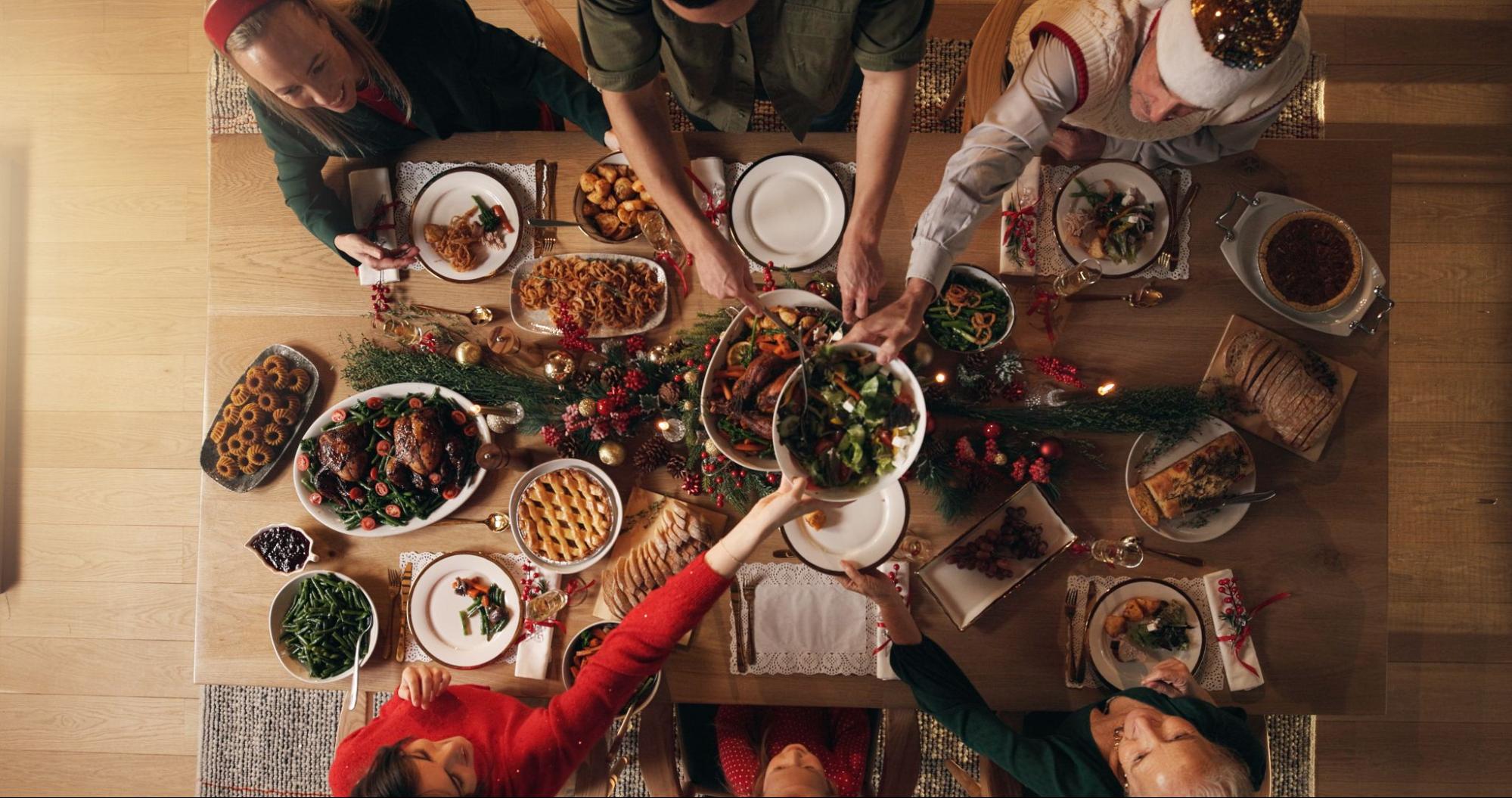
Christmas celebrations often center on three consecutive dates: Christmas Eve, Christmas Day, and St. Stephen’s Day. Each offers a different opportunity to gather.
Christmas Eve: La Vigilia
La Vigilia di Natale is Christmas Eve. In many families, the evening includes a shared meal, sometimes featuring fish and seafood in keeping with traditions of abstaining from meat.
The Feast of the Seven Fishes is especially associated with Italian American Christmas Eve celebrations. It draws on Italian fish-based meal traditions, but a dinner featuring exactly seven fishes is not a universal custom throughout Italy.
Menus differ by region and household. Some families also attend Midnight Mass or another Christmas service.
Christmas Day: Natale
Christmas Day often brings a substantial family lunch, with dishes reflecting local preferences and recipes passed down through generations.
Two familiar seasonal treats are panettone and pandoro. Traditional panettone is a tall, domed sweet bread containing raisins and candied fruit. Pandoro is a star-shaped sweet bread with a buttery flavor, usually finished with powdered sugar.
Serving one or both gives everyone an opportunity to choose a favorite.
St. Stephen’s Day: Santo Stefano
Santo Stefano, or St. Stephen’s Day, is a national public holiday on December 26. Families may visit relatives, share another meal, take a walk, or enjoy a quieter day after Christmas.
It continues the celebrations without marking the end of the entire Christmas season.
How to practice these traditions at home: Select a meal or dessert that fits your family’s tastes. Ask relatives to contribute a favorite recipe or explain the story behind a holiday dish.
Afterward, try tombola, an Italian number game similar to bingo, or set aside time to look through family photographs.
4. Welcome the New Year With Symbolic Foods
San Silvestro and Capodanno
December 31 is associated with San Silvestro, while January 1 is Capodanno, or New Year’s Day. Celebrations may include a long dinner, a midnight toast, music, and public festivities.
Families choose their own pace. Some stay out late, while others welcome the year at home.
Why Italians Eat Lentils at New Year’s
Lentils are a well-known Italian New Year’s food. Their small, rounded shape recalls coins, making them a traditional symbol of prosperity.
They are often served with cotechino, a cooked pork sausage, or zampone, a stuffed pig’s trotter. The association with good fortune is a cultural belief, giving the dish a meaning beyond its ingredients.
How to practice these traditions at home: Add lentils to your New Year’s Eve dinner or New Year’s Day lunch. A simple lentil dish can introduce the tradition without requiring an elaborate menu.
Before eating, explain the symbolism and invite everyone to share a hope for the coming year.
5. Fill Stockings for La Befana on Epiphany Eve
Who Is La Befana?
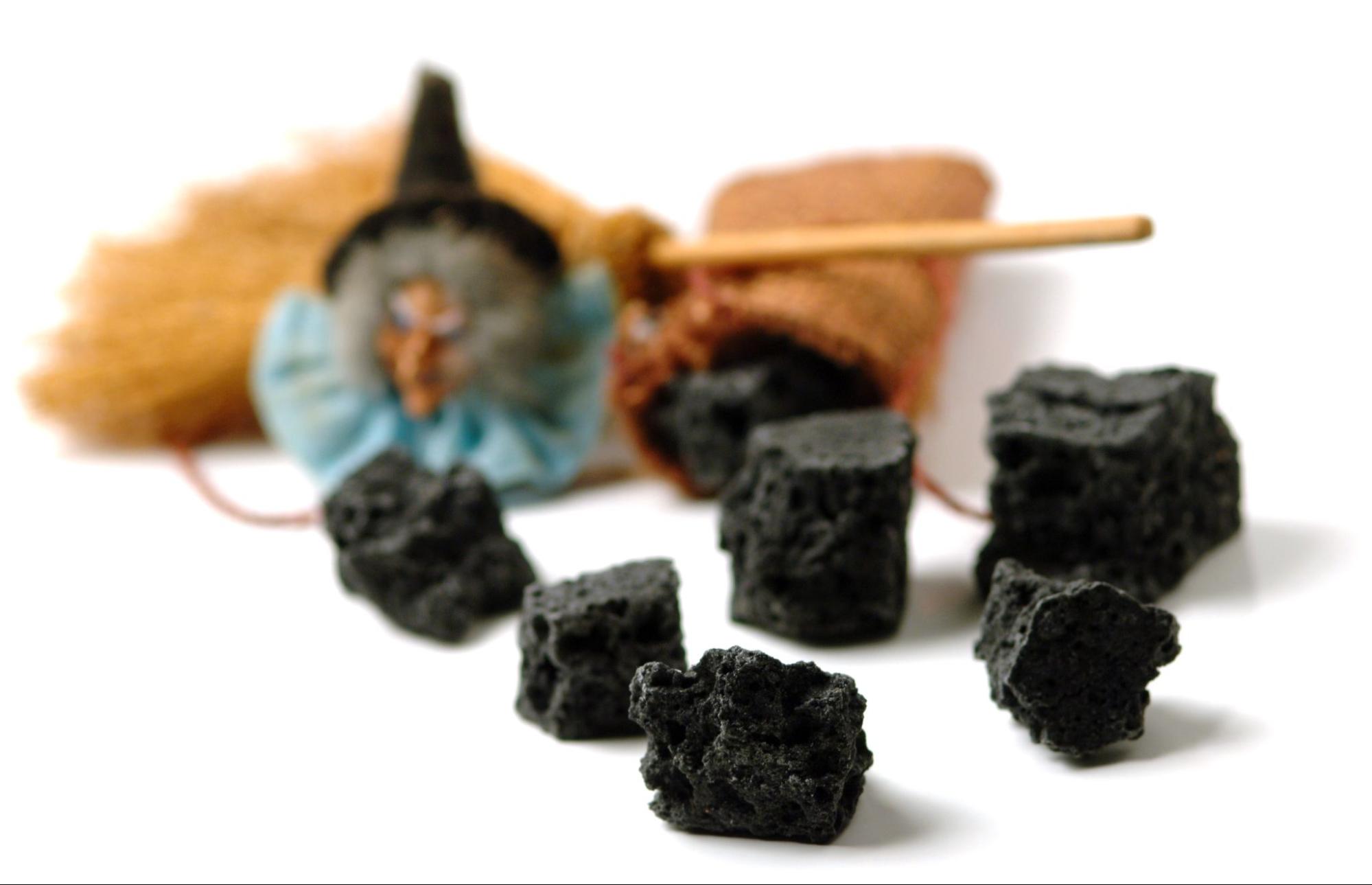
La Befana is a gift-bringing figure from Italian folklore, commonly pictured as an older woman traveling on a broomstick.
In one version of her story, the Three Wise Men invite her to join their journey to find the infant Jesus. She declines, then changes her mind and sets off searching. As she travels, she leaves gifts for children.
Versions of the legend differ, so families may remember slightly different stories.
When Does La Befana Visit?
La Befana traditionally visits during the night of January 5–6. Children leave out stockings and discover sweets or small gifts on Epiphany morning, January 6.
Coal is part of the folklore too, often represented by coal-shaped sugar candy.
Epiphany commemorates the visit of the Magi to Jesus in Western Christian tradition. In Italy, it also marks the customary close of the Christmas holiday season, although individual religious and local observances follow their own calendars.
How to practice these traditions at home: Hang stockings on January 5 and share La Befana’s story. Fill them with small treats, fruit, or a simple gift for the following morning. This creates a modest family ritual after the excitement of Christmas.
Make These Traditions Part of Your Family’s Story
You do not need to recreate every celebration to build a meaningful connection with your heritage. Decorating together, serving a familiar dessert, or sharing a grandparent’s recipe can become a tradition worth repeating.
Italian American customs have also developed their own histories. Learning how your family’s practices compare with those in Italy can lead to conversations about migration, hometowns, and the choices earlier generations made.
For families interested in exploring that history further, Italian American Citizenship Assistance Program provides ancestry research and consulting support. ITAMCAP can help review family and naturalization timelines, discuss potential Italian citizenship eligibility, and organize client-provided information. Eligibility depends on individual circumstances and applicable law.
Frequently Asked Questions
What are some traditional Italian Christmas customs?
Common customs include displaying a presepe, decorating a Christmas tree, sharing family meals, serving panettone or pandoro, and celebrating La Befana. Practices vary by region and household.
When does the Christmas season start and end in Italy?
December 8 is a traditional decorating date, and January 6 is the customary close of the Christmas holiday season. Some communities begin celebrations earlier.
Do Italians celebrate Santa Claus or La Befana?
Many families celebrate both. Babbo Natale is associated with Christmas gifts, while La Befana fills stockings during the night of January 5–6. Other regional gift-giving traditions also exist.
What do Italians eat on Christmas Eve and Christmas Day?
Christmas Eve meals often feature fish or seafood. Christmas Day menus may include filled pasta, baked dishes, or roasted meats, depending on regional and family traditions.
Is the Feast of the Seven Fishes celebrated throughout Italy?
No. It is primarily an Italian American Christmas Eve tradition. Fish-based Christmas Eve meals occur in Italy, but seven fishes is not a nationwide rule.
Does La Befana come on January 5 or January 6?
She traditionally arrives overnight on January 5, so children find their treats on the morning of January 6.