

Does Italy Allow Dual Citizenship for Americans?


Share This Post


Does Italy Allow Dual Citizenship for Americans?
For many Americans with Italian roots, dual citizenship is more than a travel perk—it is a meaningful way to reconnect with family history while gaining legal rights in Europe. A common and important question is: Does Italy have dual citizenship, and can Americans legally hold both passports at the same time?
The short answer is yes. Italy allows dual citizenship, and the United States does not prohibit it. Together, this makes dual citizenship in Italy and the U.S. legally possible for many people. While the specific path depends on individual circumstances, U.S.-Italy dual citizenship remains a valid and attainable status under current law.
What Is Italian-American Dual Citizenship?
Dual citizenship is a legal status in which a person is recognized as a full citizen of two countries at the same time. With Italian-American dual citizenship, an individual holds the rights and responsibilities of both nationalities, including the ability to carry two passports.
This is different from:
- Permanent residency, which can expire or be revoked
- Visas, which grant only limited, conditional permission to live or work in a country
With dual citizenship in the USA and Italy, a person is fully Italian and fully American under the law.
Does Italy Allow Dual Citizenship?
Yes. Modern Italian law allows individuals to hold Italian citizenship alongside another nationality. Italy does not require Americans to renounce U.S. citizenship, which is why Italian-American dual citizenship has remained common for decades.
This legal framework—especially for those qualifying through ancestry—is what continues to make dual citizenship a realistic option for many descendants of Italian immigrants.
Does the United States Allow Dual Citizenship With Italy?
The United States allows its citizens to hold more than one nationality. U.S. citizens do not lose their American citizenship simply by acquiring Italian citizenship.
As long as citizenship is obtained through a lawful process, U.S.-Italy dual citizenship is fully permitted. Holding an Italian passport alone does not affect U.S. citizenship status.
How Americans Can Qualify for Italian Dual Citizenship
There are several established legal pathways to dual citizenship in Italy and the U.S., each with its own eligibility rules and documentation requirements.
Italian Citizenship by Descent (Jure Sanguinis)
This remains the most common route for Americans. Italian citizenship by descent is based on proving an Italian bloodline and demonstrating that citizenship was passed through the direct family line.
While recognition once extended across many generations, Law 74/2025 introduced new generational limits and stricter criteria for individuals born abroad who also hold another citizenship. Even so, many Americans still qualify depending on their lineage and timing.
Key points:
- A generational limit now applies under Law 74/2025, focusing eligibility on more recent generations
- Citizenship is officially recognized once your documentation successfully meets legal criteria
- Many Americans still qualify for this life-changing status depending on their specific family timing
This pathway is the foundation of most Italian-American dual citizenship cases.
Citizenship by Marriage
Spouses of Italian citizens may apply for citizenship after meeting specific requirements.
Requirements include:
- Length of marriage
- Residency status
- Italian language proficiency
This path does not automatically grant citizenship but can lead to dual citizenship in Italy and the U.S. once approved.
Citizenship by Residency or Naturalization
Americans who live in Italy long term may qualify through naturalization.
This route generally requires:
- Extended legal residency
- Demonstrated integration into Italian society
- Language proficiency
Though less common, it remains a valid path to U.S.-Italy dual citizenship.
Benefits of Italian Dual Citizenship for Americans
Holding dual citizenship in the USA and Italy offers legal and practical advantages that go far beyond tourism.
These include:
- The right to live and work in Italy without any visa restrictions.
- Total freedom of movement throughout the entire European Union.
- Access to world-class public healthcare and education systems.
- The ability to pass this priceless gift of citizenship to future generations.
For many families, American-Italian dual citizenship supports long-term mobility, stability, and international opportunity.
Responsibilities of U.S.-Italy Dual Citizenship
Dual citizenship also comes with responsibilities. These vary depending on where you live and how you use each nationality.
Important considerations include:
- Taxes: Tax obligations are usually based on residency, not citizenship alone
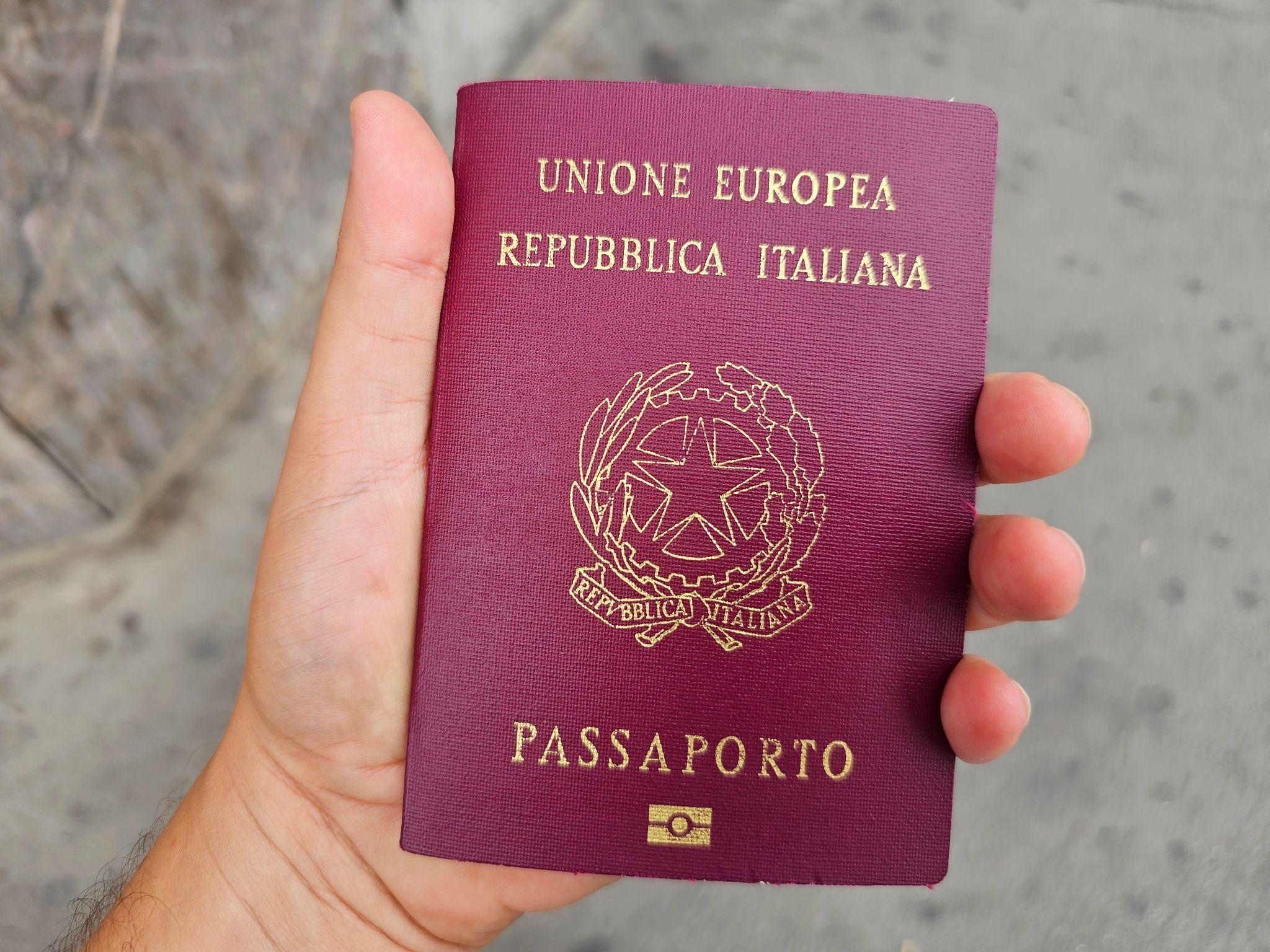
- Passports: Dual citizens typically use their U.S. passport to enter and leave the U.S., and their Italian passport to enter Italy
- Civic obligations: Italy does not currently enforce mandatory military service for most citizens
Understanding these responsibilities helps avoid confusion after obtaining dual citizenship in Italy and the U.S.
Common Myths About Dual Citizenship Between Italy and the U.S.
Despite its legality, misinformation about Italian-American dual citizenship is widespread.
Common myths include:
- “Italy no longer allows dual citizenship.”
This is false—Italy fully recognizes dual citizenship.
- “You must give up U.S. citizenship to become Italian.”
Not true. Renunciation is not required.
- “Only children of Italian parents qualify.”
Many applicants qualify through grandparents.
- “Dual citizens are taxed twice automatically.”
Taxation depends on residency and tax treaties, not citizenship alone.
When Dual Citizenship May Be Complicated
While the law allows U.S.-Italy dual citizenship, certain situations can complicate eligibility or delay approval.
Examples include:
- Missing or inconsistent birth, marriage, or death records
- Naturalization timing issues in the ancestral line
- Pre-1912 lineage cases involving female ancestors
- Name changes or record discrepancies
These issues do not necessarily disqualify an applicant, but they often require careful legal and document review.
Frequently Asked Questions About Italian Dual Citizenship
Does Italy allow more than two citizenships?
Yes. Italy does not limit the number of citizenships a person may hold, as long as other countries involved also allow it.
Can children inherit Italian dual citizenship?
In many cases, yes. Italian citizenship may be passed to children of Italian citizens, though transmission rules now depend on factors such as place of birth and parental citizenship status.
Do I need to live in Italy to keep Italian citizenship?
No. Italian citizenship does not expire due to living abroad.
Is Italian citizenship permanent?
Yes. Once recognized or granted, Italian citizenship is permanent unless voluntarily renounced.
Your Path Back to Italy Starts Here
Navigating Italian dual citizenship today requires more than enthusiasm—it requires accuracy, up-to-date legal knowledge, and the right documentation strategy.
At Italian American Citizenship Assistance Program, we guide individuals and families through every step of the process, from eligibility review to consulate submission. With recent legal changes under Law 74/2025, many applicants are unsure whether they still qualify or if appeal options exist. Our team stays current on these updates, helping you understand where you stand and what to do next.
We assist with document research, Italian translations, consulate identification, and case preparation—making a complex process far more manageable. The first step is simple: a free consultation and eligibility questionnaire to determine your options. With experienced guidance, pursuing Italian citizenship can be a meaningful way to reclaim your heritage and secure your future with confidence.